Watch the Replay: The Black Creek Update
〰️
Watch the Replay: The Black Creek Update 〰️
Why Justice For Greenwood?
Justice For Greenwood is leading this effort because the history of Black Creek Freedmen is inseparable from the history of Greenwood. Black Creek Freedmen were among the co-founders of the historic Greenwood community, helping build what became one of the most prosperous Black communities in America.
Today, Justice For Greenwood stands with Black Creek Freedmen in their fight to enforce the rights guaranteed under the Treaty of 1866 and affirmed by the Muscogee (Creek) Nation Supreme Court. For us, justice for Black Creek Freedmen is justice for Greenwood.
The Fight to Enforce Black Creek Freedmen Citizenship Continues A Year After a Historic Victory, Black Creek Freedmen Return to Court
-
The Black Creek Freedmen case is about enforcing citizenship rights that were guaranteed more than 150 years ago.
Following the Civil War, the Treaty of 1866 between the United States and the Muscogee (Creek) Nation recognized formerly enslaved people held by Creek citizens, known as Creek Freedmen, and their descendants as citizens of the Nation.
Today, many Black Creek Freedmen descendants continue to fight for the full recognition of those treaty rights.
-
Black Creek Freedmen are descendants of formerly enslaved African Americans who were enslaved by citizens of the Muscogee (Creek) Nation before the Civil War. After emancipation, the Treaty of 1866 guaranteed them citizenship within the Nation.
-
The Treaty of 1866 established that Creek Freedmen and their descendants would enjoy the rights and privileges of citizenship within the Muscogee (Creek) Nation.
The treaty remains a binding legal agreement and continues to shape questions of citizenship today.
-
On July 23, 2025, the Muscogee (Creek) Nation Supreme Court unanimously ruled that Black Creek Freedmen are full citizens of the Nation under the Treaty of 1866.
The Court held that limiting citizenship based on "Indian blood" was inconsistent with the Treaty of 1866 and affirmed that Black Creek Freedmen are entitled to citizenship.
-
Although the Nation's highest court recognized Black Creek Freedmen as citizens, many eligible descendants have not received citizenship cards or been fully recognized as citizens.
As a result, plaintiffs returned to court seeking enforcement of the Supreme Court's decision and asking the court to ensure the ruling is carried out.
The current legal action is about implementation, not whether the Treaty of 1866 guarantees citizenship.
-
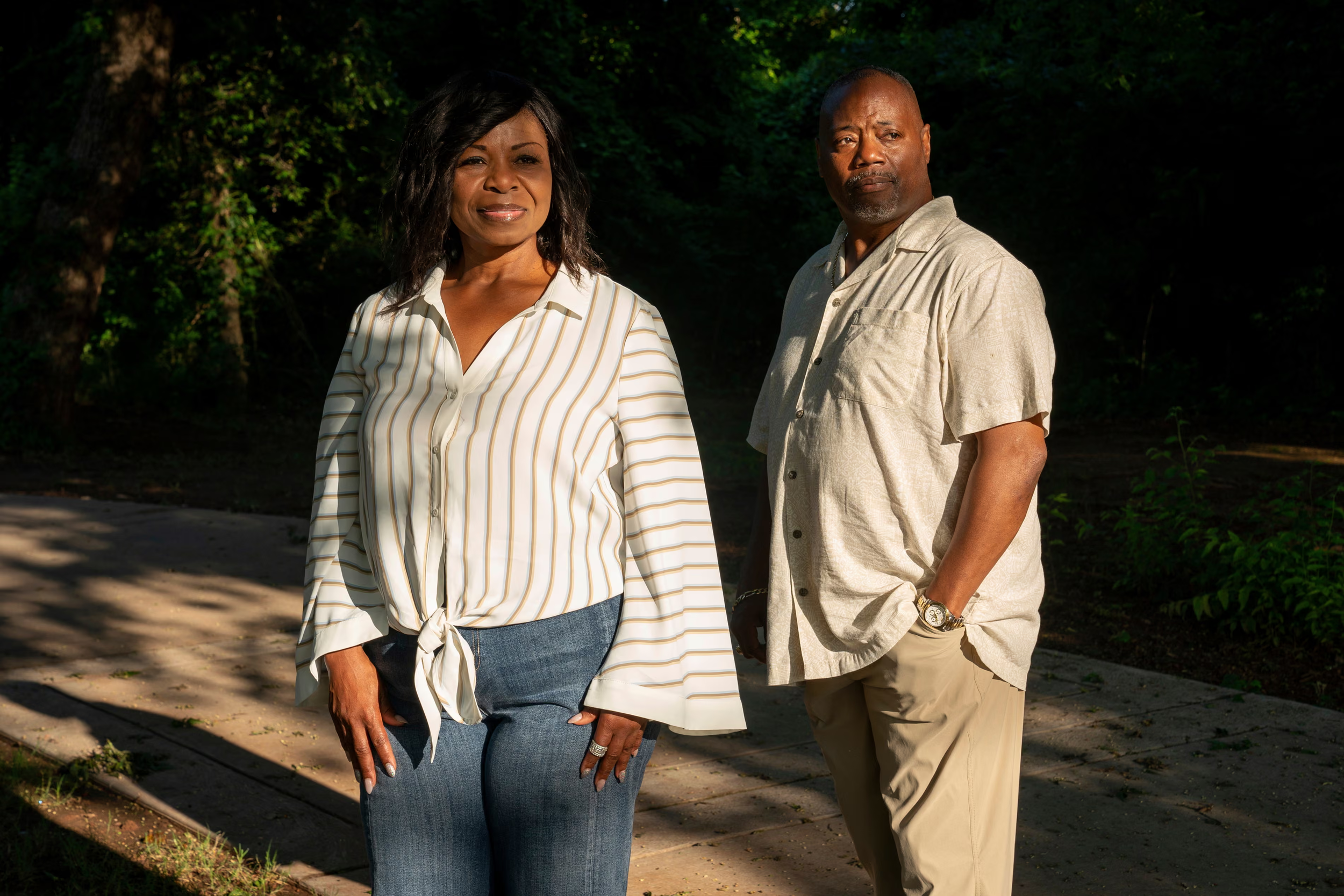
The case is led by:
Rhonda K. Grayson
Jeffrey D. Kennedy
They are joined by legal counsel and descendants working to ensure that the rights recognized by the Court are honored in practice.
-
Citizenship is more than a legal status. It determines whether individuals can fully participate in the civic life of the Nation and receive the rights afforded to all citizens under Muscogee (Creek) law.
The case seeks to ensure that Black Creek Freedmen receive the same recognition and treatment as every other citizen recognized under the Treaty of 1866.
-
The case highlights broader questions about treaty obligations, equal citizenship, and the enforcement of court decisions.
It demonstrates that even after a legal victory, rights guaranteed by treaties and recognized by courts may still require continued advocacy to be fully realized.
-
No. The case seeks enforcement of rights recognized under the Treaty of 1866 and affirmed by the Muscogee (Creek) Nation Supreme Court.
-
No. The case concerns the enforcement of existing treaty obligations and a binding decision issued by the Nation's highest court.
-
The plaintiffs allege that the Supreme Court's ruling has not been fully implemented and are asking the courts to ensure compliance.
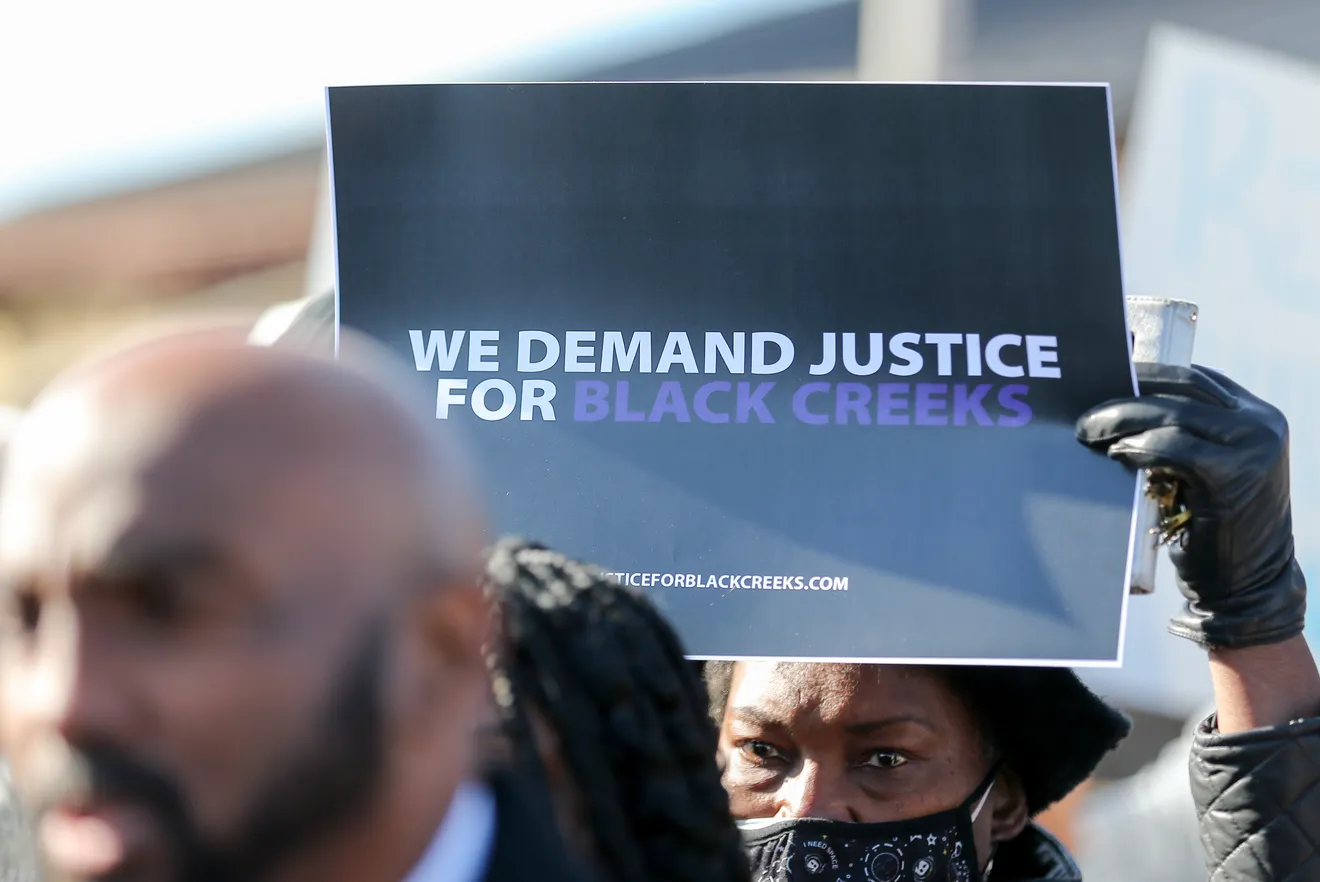
What Are the Stakes?
This case is about more than individual citizenship applications. It is about whether the rights guaranteed under the Treaty of 1866 and affirmed by the Muscogee (Creek) Nation Supreme Court will be fully honored. The outcome will shape how treaty obligations, court rulings, and equal citizenship are upheld for Black Creek Freedmen and future generations.
More than 100,000 Black people potentially affected nationwide
Tens of millions of dollars in housing, health care, education, business, elder, employment, and other benefits.
The broader fight over citizenship, political power, resources, and treaty enforcement